What type of printing do you prefer?
I prefer large-format prints when the images are rich in detail or when I want the eye to focus on seemingly secondary elements: a tired look, a hand raised in protest, a small gesture. I pair them with smaller, framed prints, which lend dynamicity to the display and create a dialogue between the images.
Would you like to tell us about the Pachamama cultural association you founded?
Pachamama is a central presence in the cosmovisions of many Andean peoples. Simply translating her as “Mother Earth” doesn’t exhaust her meaning: she is a living reality that unites territory, time, and community. She is not a resource to be possessed or exploited, but rather origin and home, mother and sister, with whom we build a reciprocal relationship: we don’t take without giving back. From this vision, the Pachamama Cultural Association was born, using photojournalism, documentary film, and visual research to tell stories often overlooked by the dominant gaze. Its work begins by listening to the territories and the people who inhabit them: it does not seek to speak in place of communities, but to construct narratives together with them, recognizing them as subjects of their own history. Through images and testimonies, Pachamama makes visible the relationships between human rights, social justice, and the environment, also questioning the position and responsibility of the observer. Its name embodies a question: what relationship do we want to build with the world we inhabit?
Do you have any Masters you look up to and feel close to?
I’ve read many photography books, but my education also comes from other worlds: I have a degree in philosophy, I read a lot, and I deeply love cinema. I know the work of the great masters, but to say I feel a connection to one of them, almost as if I could compare my work to theirs, would make me a little embarrassed. I lose myself looking at the photographs of W. Eugene Smith, Diane Arbus, Weegee, Cristina García Rodero, Paolo Pellegrin, Sergio Larraín, Paz Errázuriz,
My way of looking also stems from there: from those who taught me when a shot was out of balance, how to distribute weight, leave space for empty spaces, and remember the sky. But it also stems from learning to question the position from which I photograph: not imposing Western categories, not seeking confirmation of a preconceived narrative, and not transforming people and places into objects to be observed, but recognizing them as active subjects of their own history.
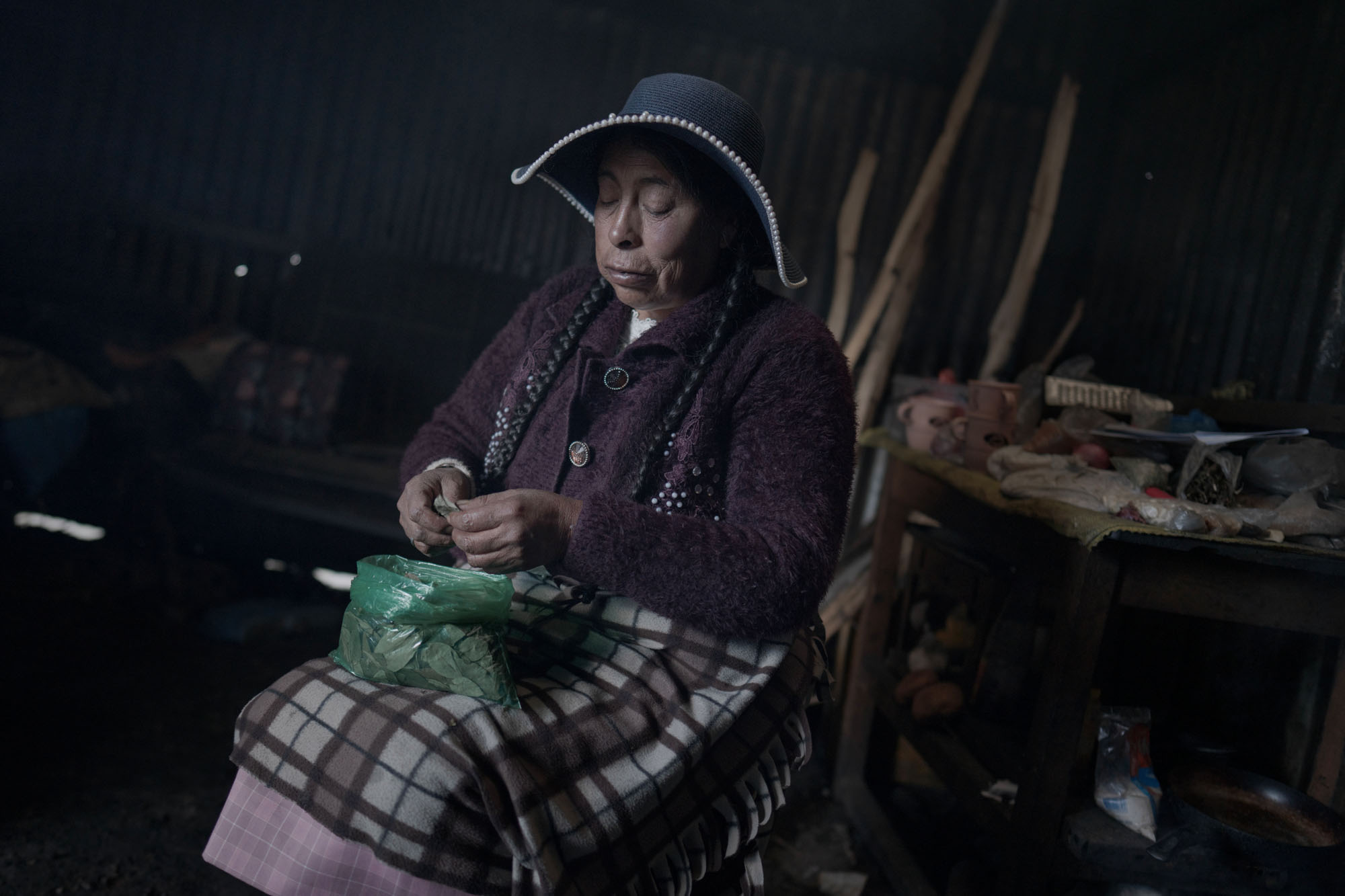
I was reading an article in L’Internazionale entitled “The moral challenge of Mozart’s works” by Dorian Bandy (professor of music at McGill University, Canada) and unexpectedly found some resonances with your photographic reportage exhibited at the BIS, Biennale Itinerante del Sociale (of which NewLab is a proud technical sponsor) which was exhibited at CARME Brescia until last August 2nd.
Let me explain better.
In “The Theory of Moral Sentiments” (1759) Adam Smith defined sympathy as that imaginative faculty that allows us to step into the shoes of the other, identifying ourselves with him, weighing his actions in the light of the responses we suppose we would give ourselves in certain situations, thus arriving at evaluating his conduct.
“It is as if we entered the body of the character, becoming to a certain extent himself”, writes Smith, reaching a breaking point with the previous philosophical tradition which interpreted moral judgment as a rational deduction, a putting into practice of eternal principles, rigidly standardized and schematic, very far from any flexibility.
Mozart for his part, a few decades after Smith, treats the listeners as participating spectators, not suggesting what to think of the characters on stage, he lets us identify with them and their weaknesses and temptations, leading us into the uncomfortable terrain of moral ambiguity.
Mozart sets to music the tensions that move a character, without telling the spectator how to judge them.
You too have put this limbo on display, describing through your photographic shots cross-sections of humanity in places where moral rigor leaves room for numerous gray areas, avoiding delineating a victim and an attacker in a clear and unavoidable way, precisely because this granite dichotomy is too simplistic in certain situations and in certain contexts.
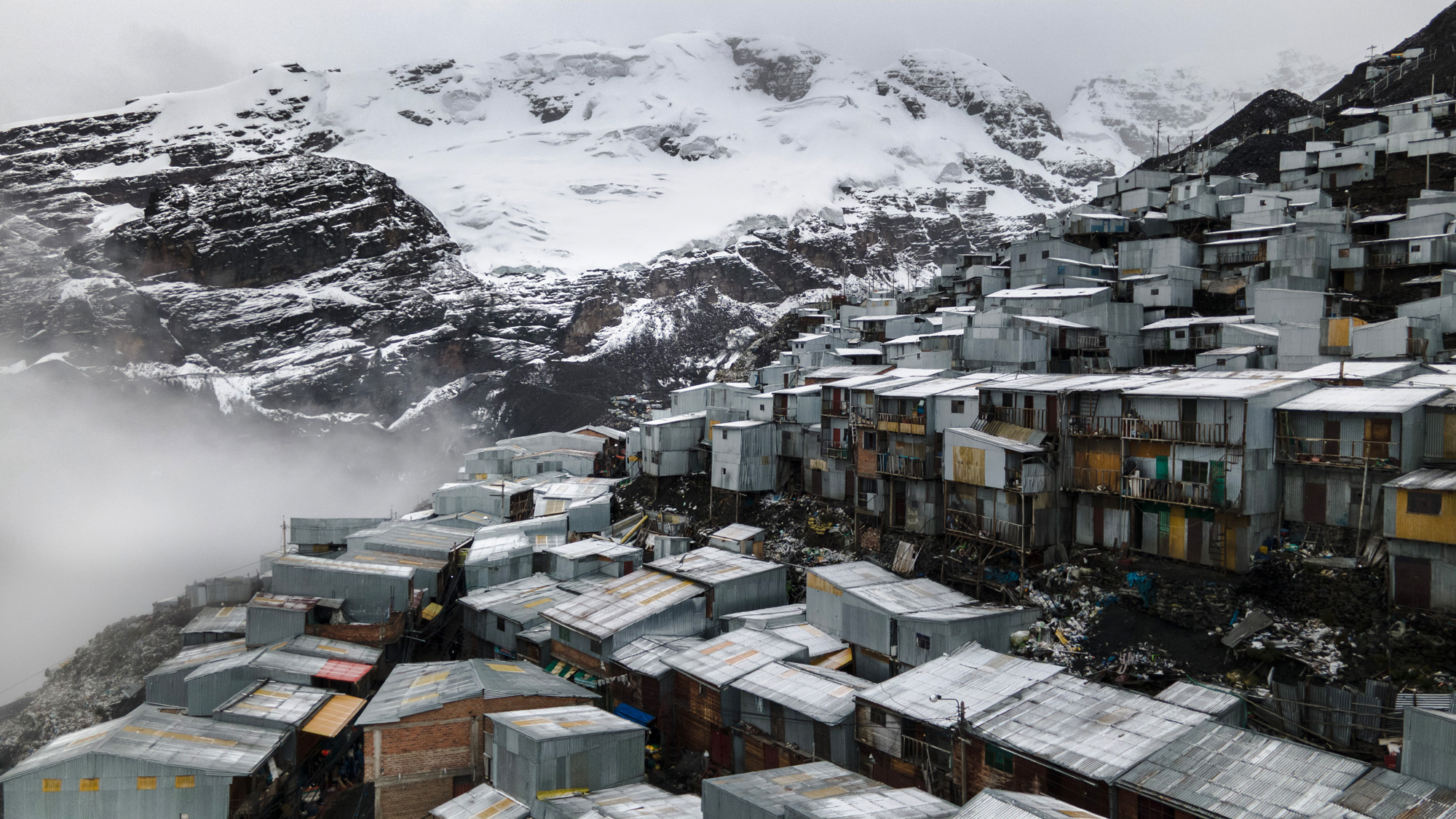
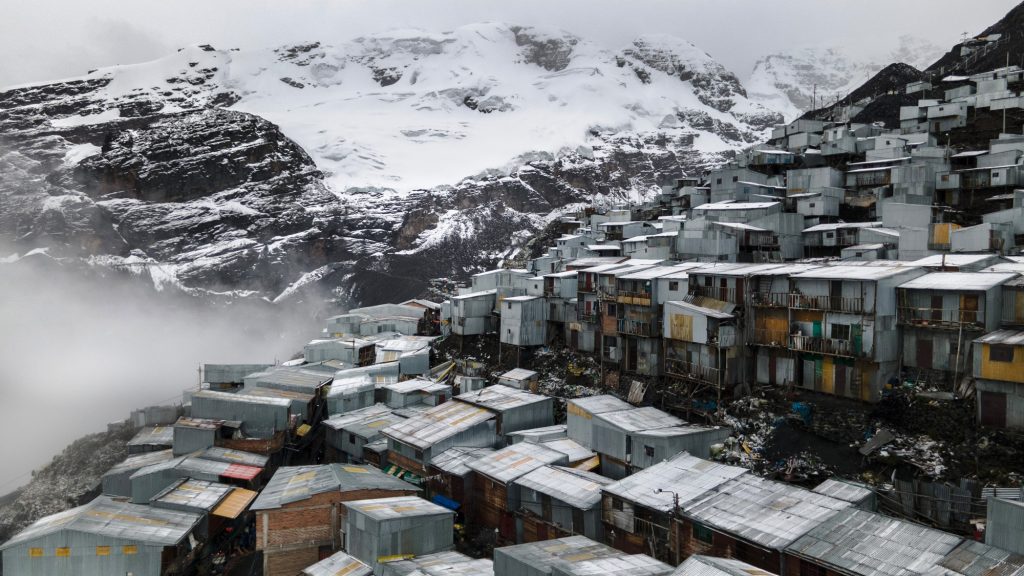
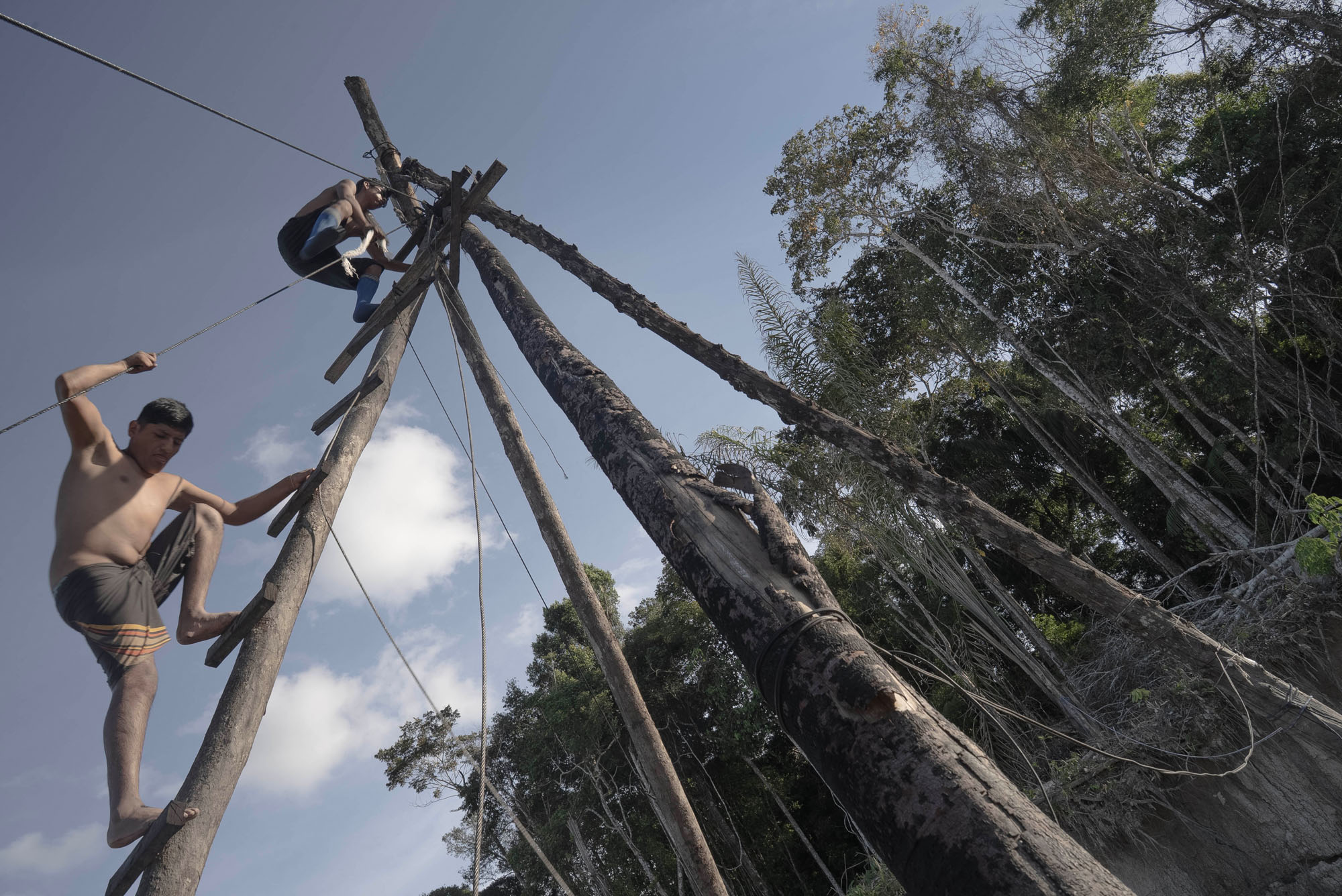
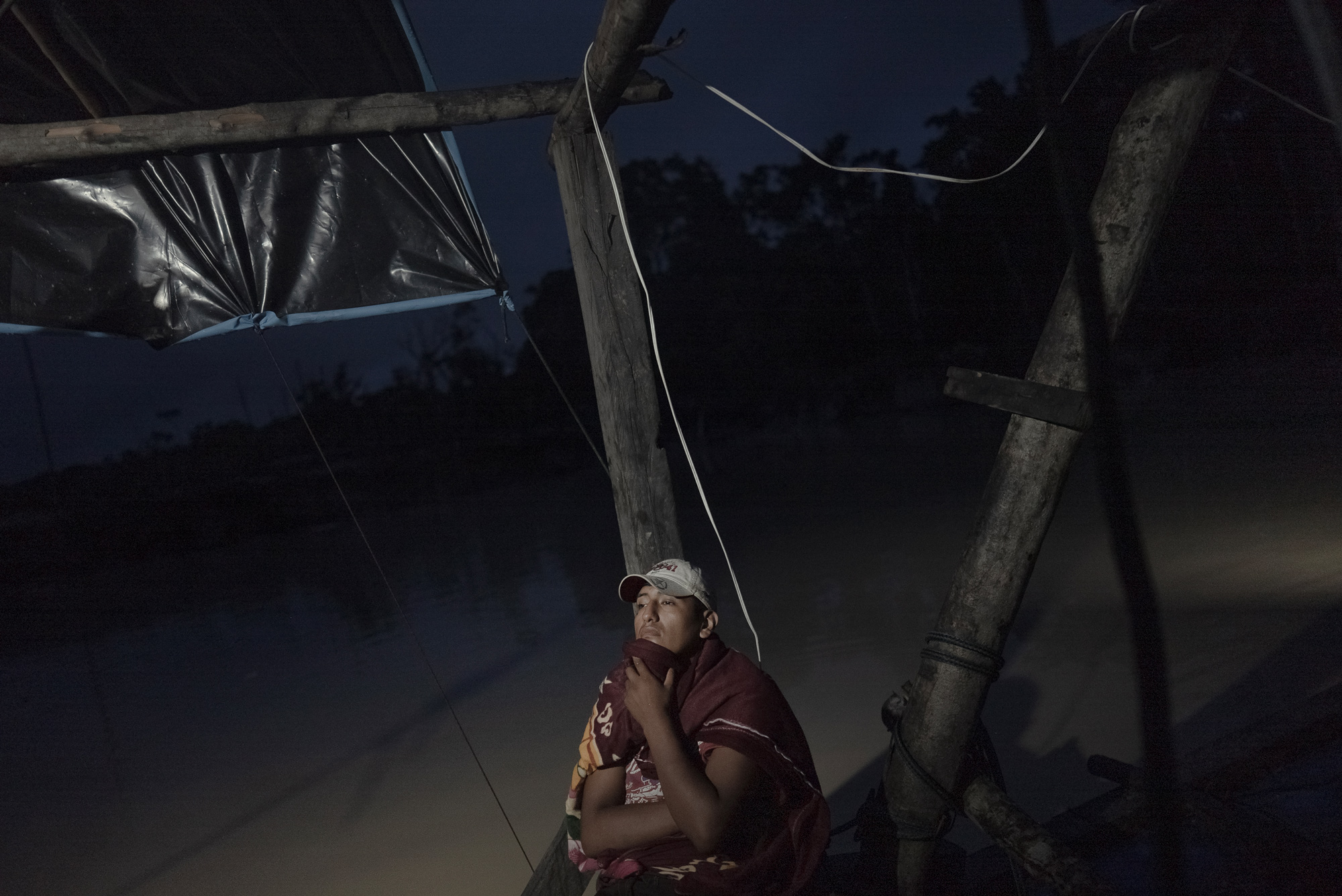
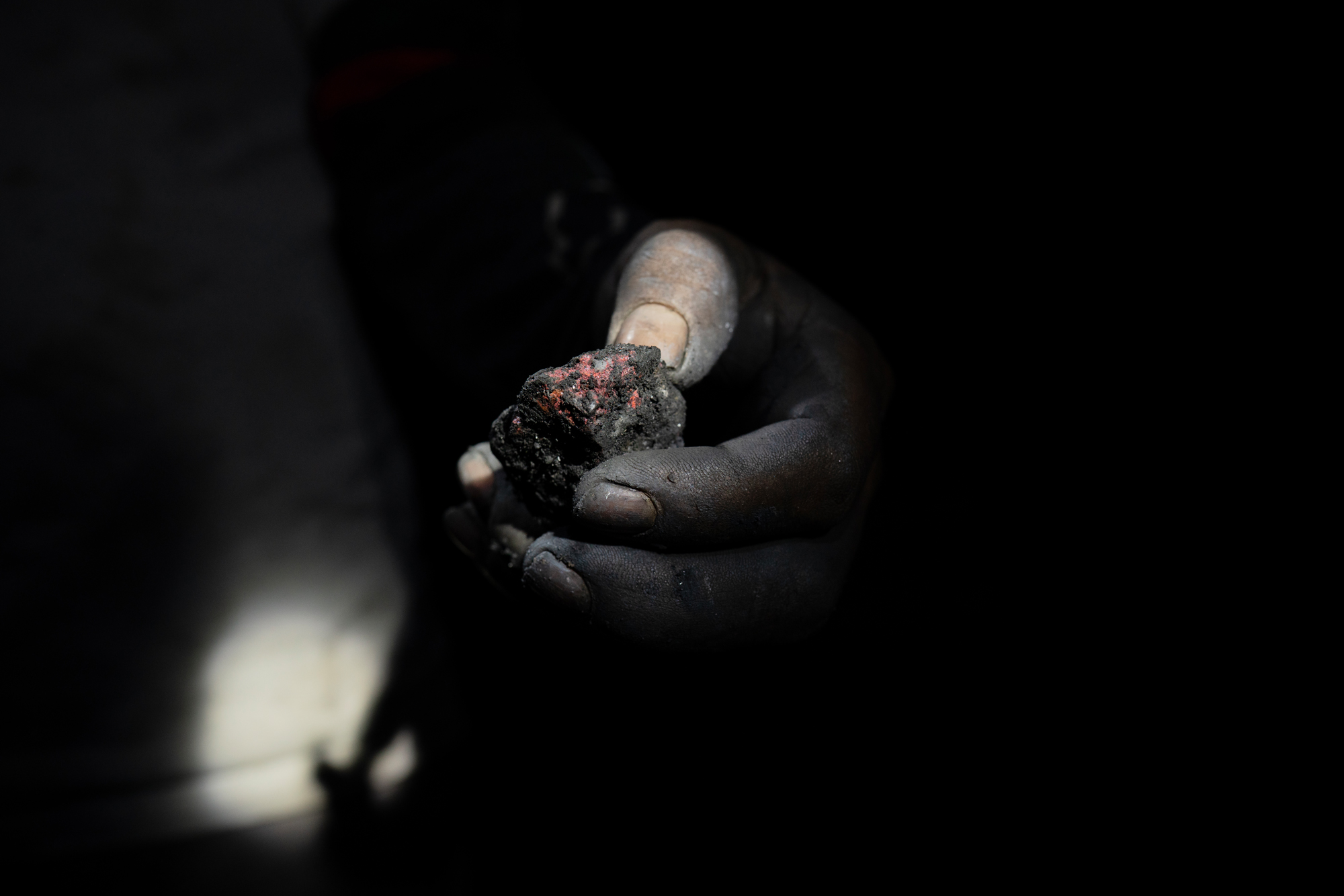
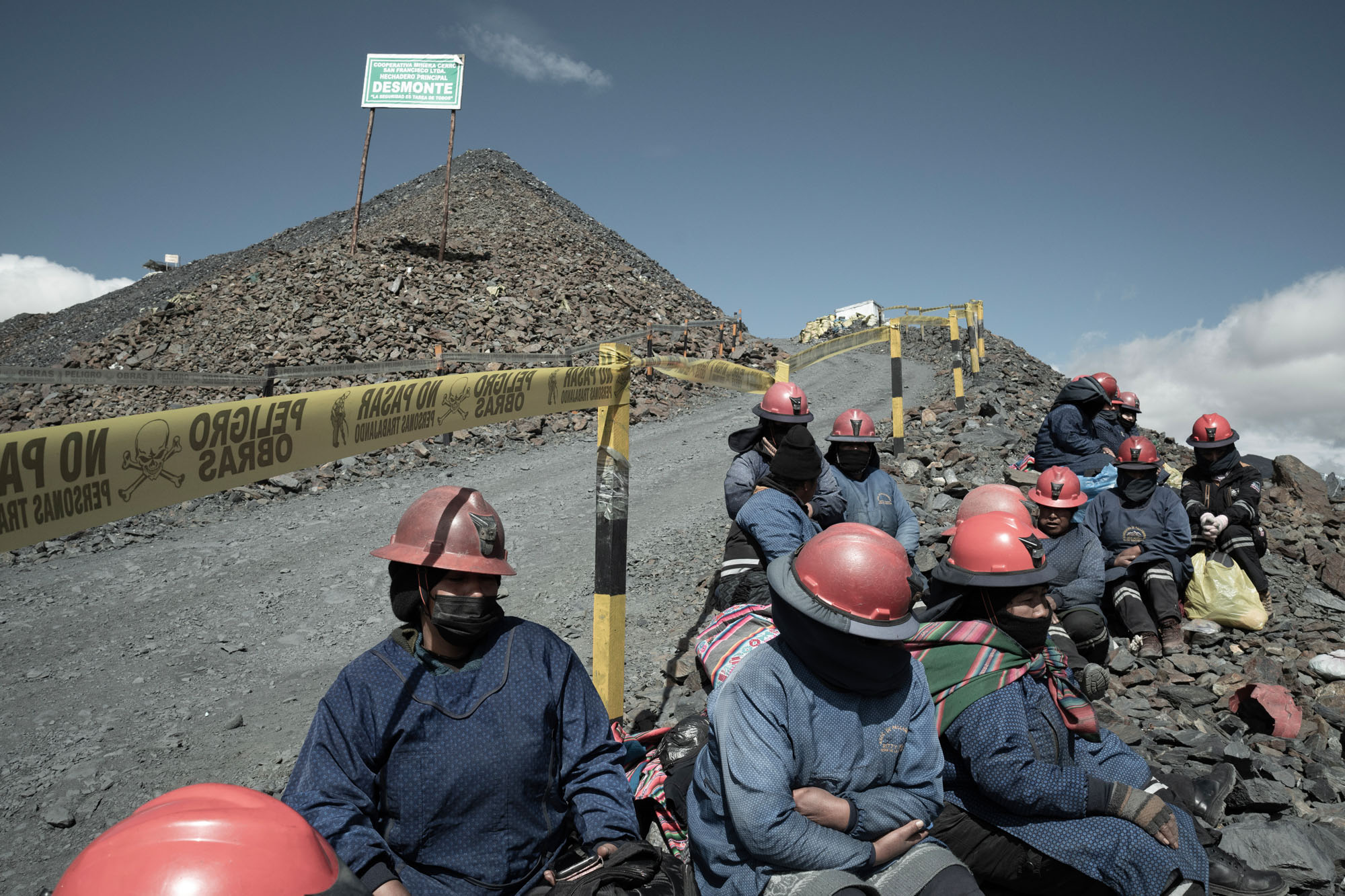
At the BIS you exhibited part of the “Piel de Mercurio” project, an ongoing photographic research between Peru and Mexico that documents the extraction of gold and the use of mercury, showing how this toxic substance profoundly marks bodies, territories, water, mountains and forests.
Civil, labor and health rights are, in fact, closely interconnected with environmental rights.
The reckless exploitation of the Earth is unfortunately carried out not only by large multinationals, by Big Tech, but also by desperate individuals who become an active part in this raid, in this “Rape”, to try to survive in the illusion of improving their living conditions while also putting their health at risk.
Exactly as in the great Californian “Gold Rush” that began in 1848, housing agglomerations arose in inhospitable and remote areas, outside the radar of legality like the primordial “Boomtowns” of the Far West.
These places without identity, sanitation or kindness develop around mining sites (be they mercury, gold or rare earths) which inevitably do not bring with them any sense of community because they were created to host droves of miners competing with each other:
those who exploit them (NDR a sort of mining cartel) are keen to reward them on Fridays, promising them complete ownership of the largest nugget found that day.
A type of “sales commission”, I would add, which is so popular in the West and which is so popular with entrepreneurs enlightened by the Haier Method (RenDanHeYi in Chinese), the innovative corporate organizational model (or extreme form of inside capitalism) which transforms employees from simple executors to real internal entrepreneurs, effectively avoiding any solidarity or awareness of their rights as employees.
In another article in L’Internazionale, “The price of rare earths” which focuses on their extraction in Burma, highlights how companies involved in mining operations use a wide range of chemical agents classified as dangerous, putting the health of neighboring villages at risk: unfortunately, however, after decades of abandonment by the authorities, it is the local communities themselves who need these waves of extraction to survive, as they have become a substantial part of the economic fabric.
In your opinion, as a photojournalist and social documentarian, is it more difficult to detach yourself, to take a step back to shoot and bear witness to what happens in certain contexts or is empathy with the protagonists of the stories you tell the key to giving more incisiveness to your projects? Do you want to tell us how these come to life, what steps you take to get started?
I don’t think that detachment and empathy are two opposite possibilities. Rather, they are two necessary movements of the same work. Detachment, in the sense suggested by the Greek term chōrismós – division, hiatus – allows one to escape the urgency for a moment, verify the facts and ask oneself what to show, what to leave out and what consequences an image can have. It doesn’t mean being cold or neutral, but taking responsibility for your gaze.
Alongside chōrismós there is sympátheia, feeling together. For me it means staying in the territories, living with the people, eating what they eat, feeling the same heat on my skin, going through nights with them when sleep doesn’t come. This does not authorize me to say that I really know what they feel: it would be another form of appropriation. However, it allows me to reduce that abstract distance from which we too often observe communities and territories marked by violence, injustice or exploitation.
The dominant Western gaze often arises from the illusion that the photographer can arrive, observe from the outside, bring order to reality and start again with images capable of explaining everything. Instead, I try to remember that every look is a stance. It means letting people contradict the idea I arrived with, not imposing foreign categories and not reducing a community to a symbol of poverty, pain or conflict. I repeat to myself like a mantra that the people photographed are not objects that serve to prove a thesis, but subjects of their own history.
My projects don’t start with an answer, but with a question. First I study, read, look for data and build relationships with NGOs, institutions, colleagues and people in the area. Then I listen, I stand there. I explain why they are there, what I’m looking for and how the images might be used. Only then do I start taking photographs, without following an already written story and also accepting the possibility of not even taking a photograph.
The second moment of detachment comes during the selection and editing, still the most difficult for me. That’s where I have to take a step back and ask myself whether the aesthetic strength of an image risks hiding the violence it contains, whether I’m informing or transforming pain into spectacle.
I am of the opinion that journalistic photography should not just be a set of information. It must be precise and verifiable, but also make the human and political temperature of a fact perceptible. Participatory journalism does not renounce rigor: it renounces the pretense of a neutral gaze. Perhaps photography alone does not change what happens, but it can change the conditions through which we decide to see — or continue to ignore — what happens.
Future projects?
Perhaps being South American makes me superstitious: I prefer to talk about projects when they’re really starting to take shape. However, I know I want to return to tell the story of South America. I feel the need and, in some ways, also a responsibility. It’s not just a personal calling: I believe it’s necessary to be in the territories, listen to the communities, and recount their transformations from a perspective that’s not exclusively European.
Being Chilean and Andean, however, doesn’t exempt me from the risk of reproducing Westernized attitudes. Belonging, in itself, doesn’t guarantee the right perspective. After many years spent in Europe, returning also means questioning the categories through which I observe, unlearning some automatic patterns, and allowing the people and the territories to shape the narrative.
One of the projects I’d like to continue is Piel de Mercurio, a photographic and documentary investigation into the mercury route and its use in artisanal gold mining. The project reconstructs the routes connecting the cinnabar mines of Mexico to the gold-bearing territories of the Andean and Amazonian regions of South America. An often invisible supply chain, which unites seemingly distant places and leaves profound traces on bodies, labor, water, and land.