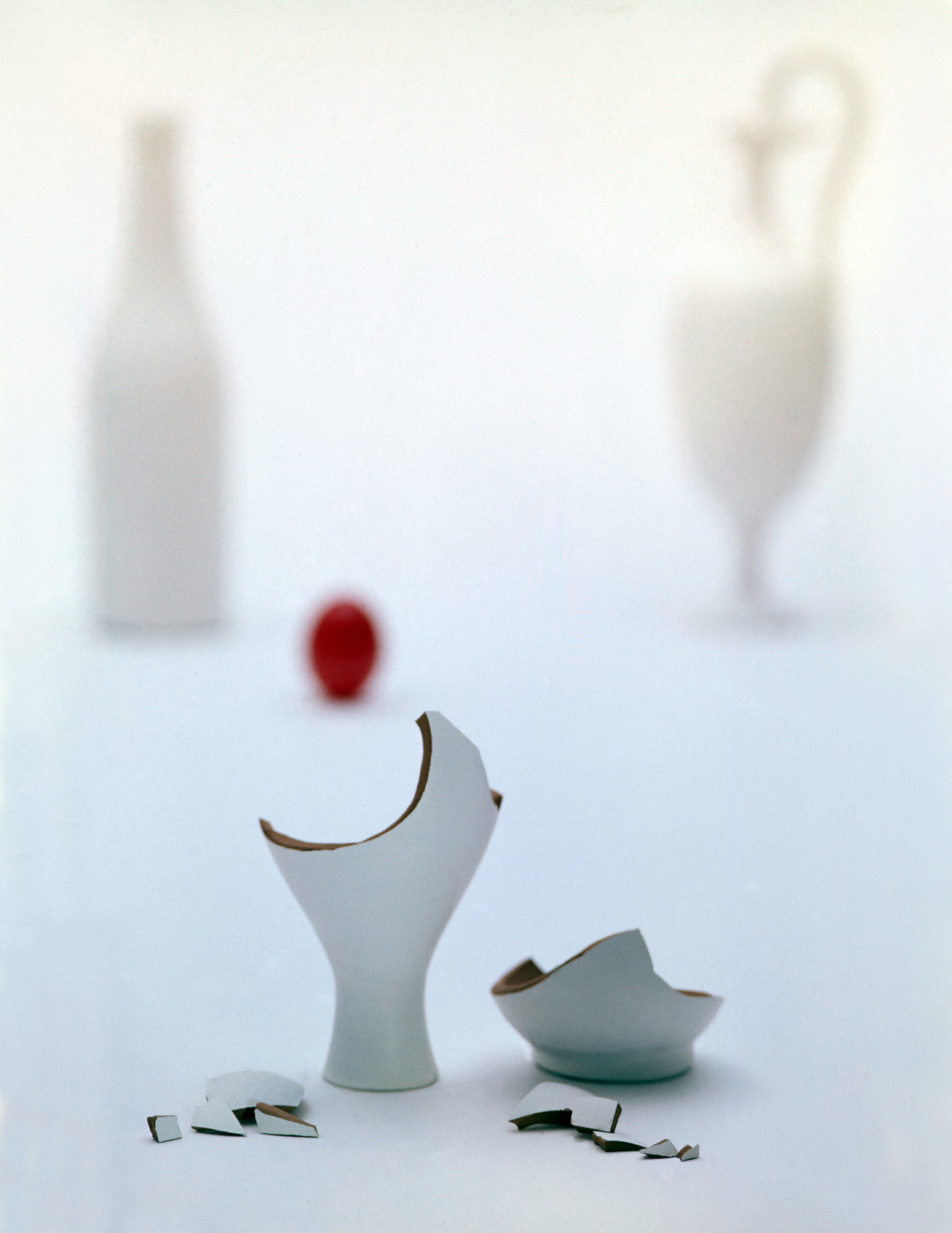
Alessandro, what type of printing do you prefer to present your father’s works to the public?
My father passed away 35 years ago, before the advent and widespread use of digital photography, before Photoshop. Most of his color work was created using slide film in various formats: 24×36, 4×4, 6×6, 6×7, and 6×9. At the time, he printed on Cibachrome paper, which was the pinnacle of brilliance and color stability. All of his works printed on this medium are still perfectly preserved today and maintain extraordinary clarity and definition. Today, to reproduce his photographs as faithfully and qualitatively as possible, every single original slide is scanned in ultra-high definition and, subsequently, each image obtained is reproduced using the Giclée printing process.
As for his black-and-white photographs, he printed the negatives himself in the darkroom. In this case, we’re talking mostly about 6×6 and 6×7 negatives. Today, to reproduce his works in black and white, each original negative is scanned, just like color slides. Here too, I favor Giclée printing, which maintains absolute quality and fidelity. In this regard, I particularly rely on the exceptional professionalism of NewLab, a digital printing lab undoubtedly among the top-tier in Italy and beyond, equipped with modern technologies capable of “doing justice” to my father’s analog photographs, even in Fine Art versions.
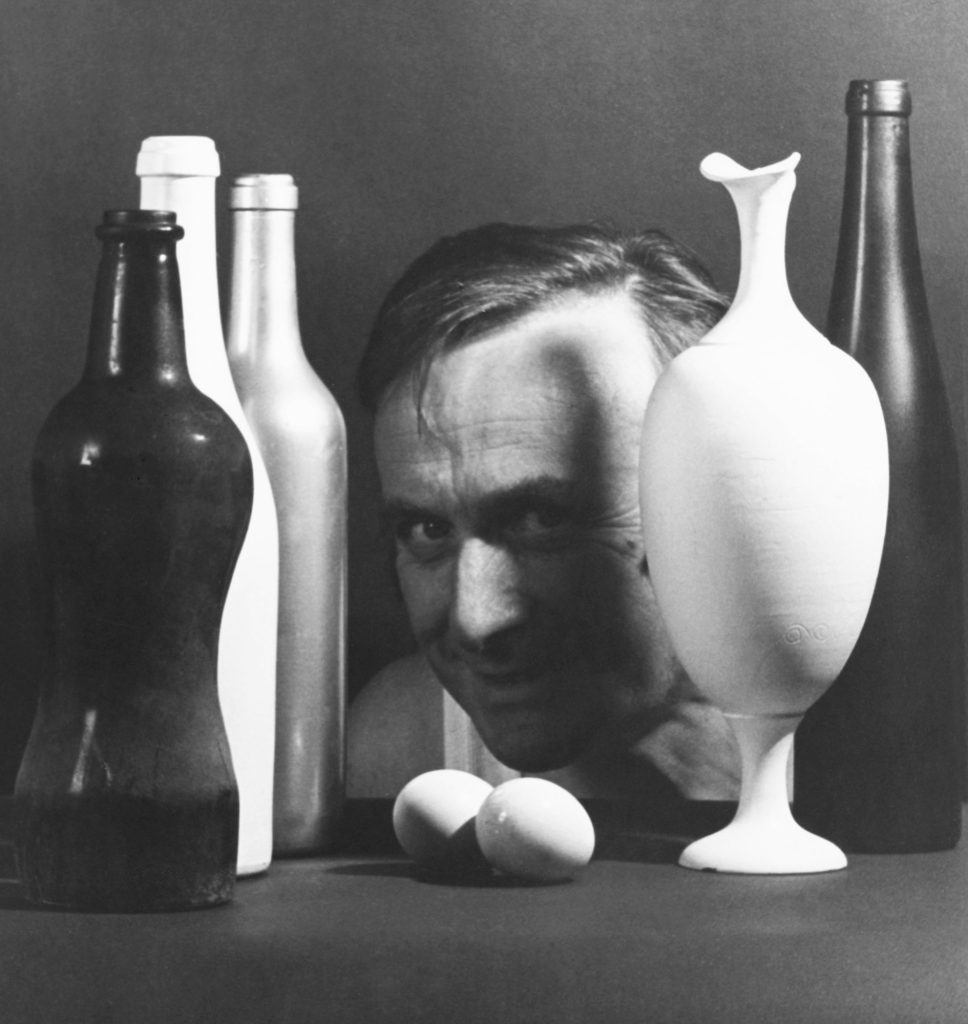
Would you like to tell us about the Foundation dedicated to your father Franco Bettini?
After his death in 1991, I began rummaging through his vast photographic archive and gradually immersed myself more and more in what was “his world,” which consisted not only of photography, but also of books, music, cinema, and art in the broadest sense. He owned an important library with countless books on history, literature, philosophy, and painting. He was a man of profound culture, he read extensively, he studied constantly, he created, he painted. When he passed away, I was only 26, and his figure had been absolutely central and essential to me.
Entering, living and breathing his world had been a sort of cure for me to process his loss: the studio, the darkroom, the photographic archive, the spaces and environments in which he created, the objects themselves, his cameras, his collections, the binders with the reviews, the newspaper clippings and the magazines with all the press reviews dedicated to him, had a “perfume” that made me feel good. Even today, 35 years after his passing, that “perfume” continues to make me feel good. His presence and his “soul” are everywhere, in every corner of the house, which is the same one where I have always lived.
In all these years I have personally dealt with all the exhibitions, events and publications dedicated to my father, in Italy and abroad, but for some time I had set myself the objective of creating a Foundation in his name with the intention of maintaining and developing interest in his figure and his art, which must continue to live beyond my personal initiatives, beyond my life.
And this is how the Franco Bettini Foundation (E.T.S.) was established in February 2025 by myself and my children Michele and Cristina as founding members.
The Foundation’s board of directors includes Francesco Pagnoni, Stefano Salvadori and Ombretta Venturelli, successful entrepreneurs, friends and above all great admirers of my father. The honorary president is Aldo Amati, now retired Italian Ambassador and diplomat.
The scientific committee is made up of Tino Bino, Renato Corsini, Sara Cuccia, Ugo Rufino and Enzo Serramondi, all prominent figures in the cultural and photographic fields.
The Foundation also pursues social solidarity objectives through cultural activities of national and international importance. Through a heritage consisting of a significant collection of photographic works, the Foundation is committed to supporting and promoting artistic creativity, in particular photographic creativity, through:
– the organization of cultural events, conferences, seminars and training activities;
– the publication and dissemination of editorial, audiovisual and scientific materials;
-collaboration with national and international bodies, university institutions and research centres;
-the establishment of prizes and recognitions for young photographers.
The Franco Bettini Foundation presents itself as a point of reference for the promotion of photographic art and for the diffusion of culture as a vehicle for growth and social cohesion.
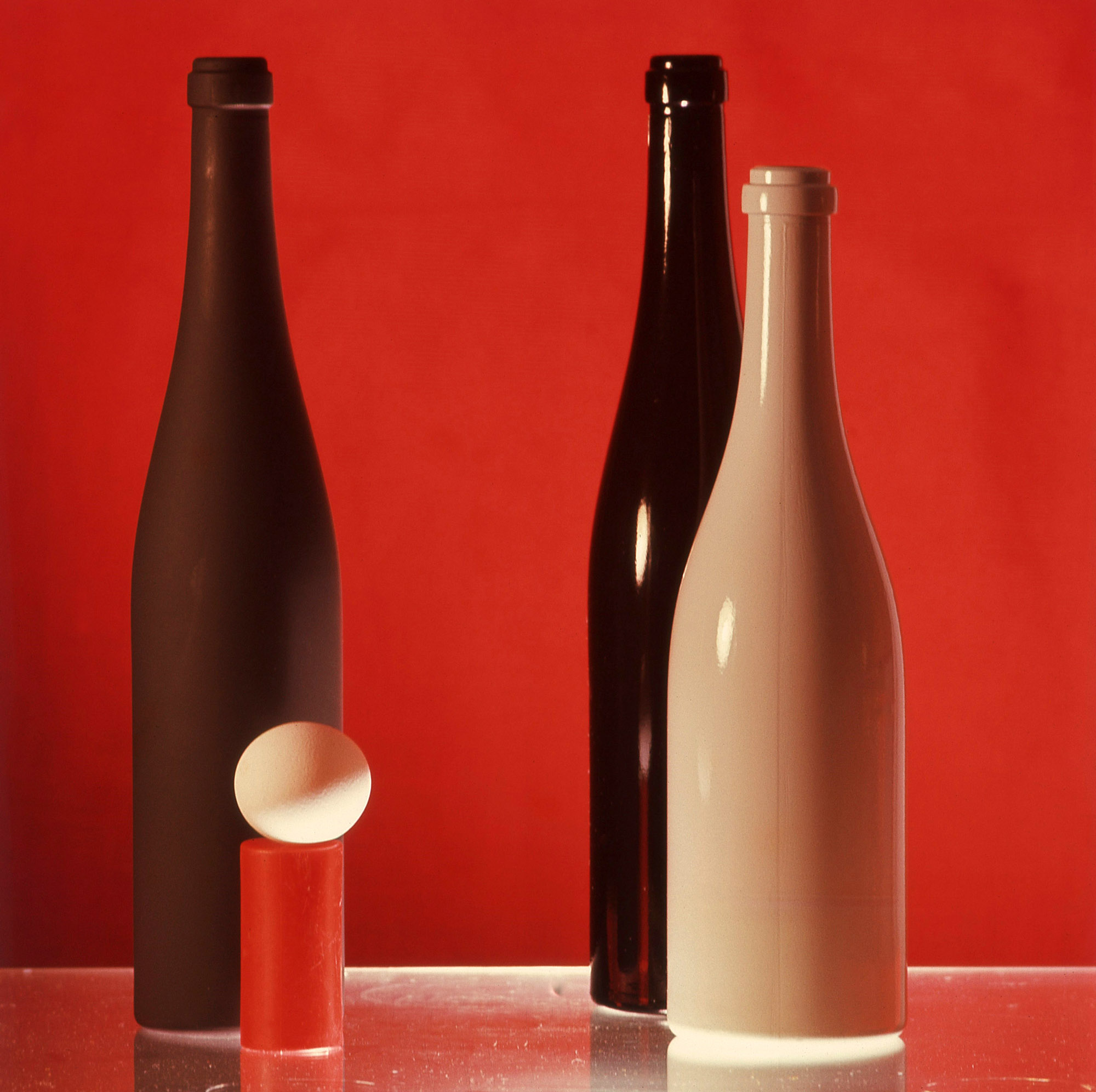
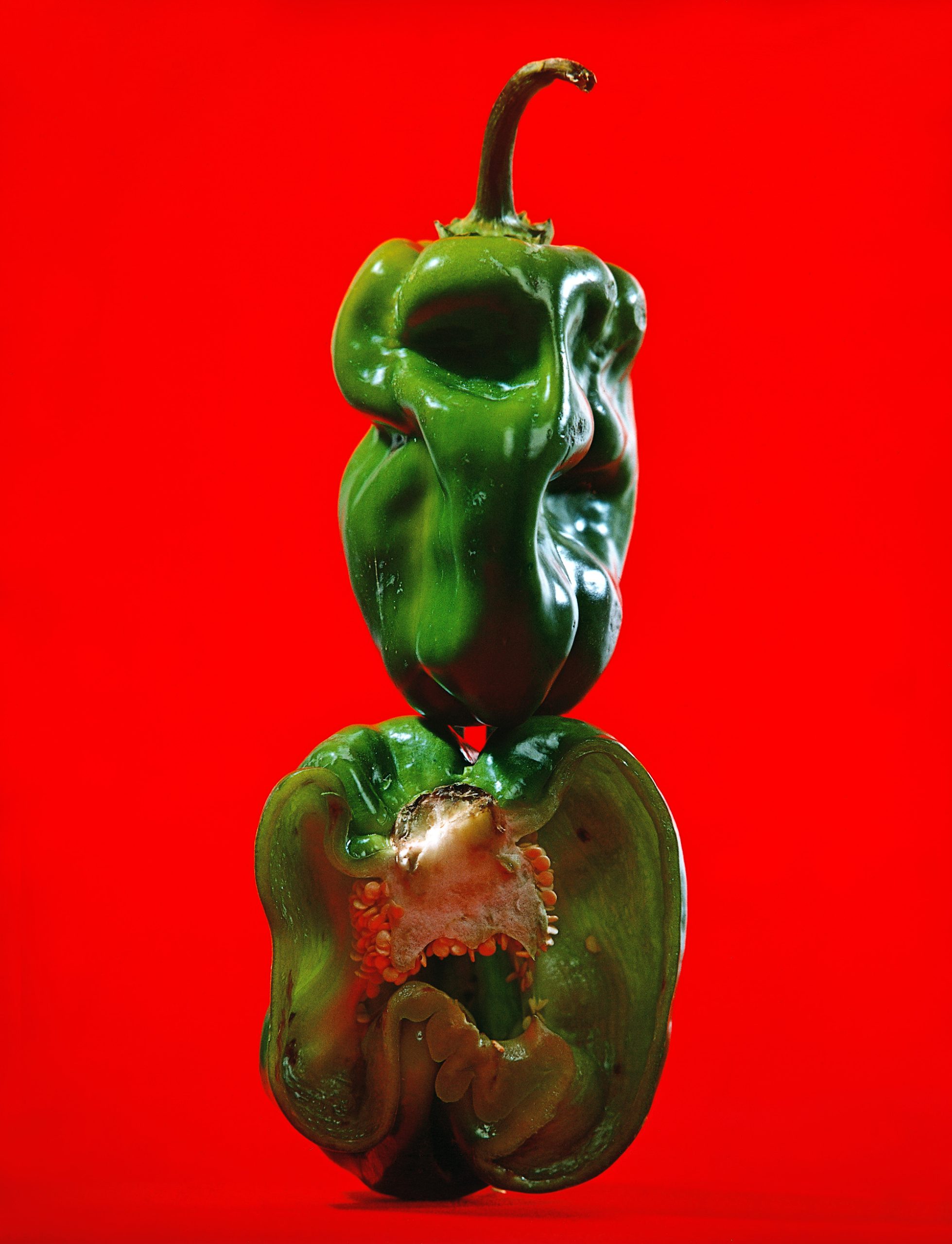
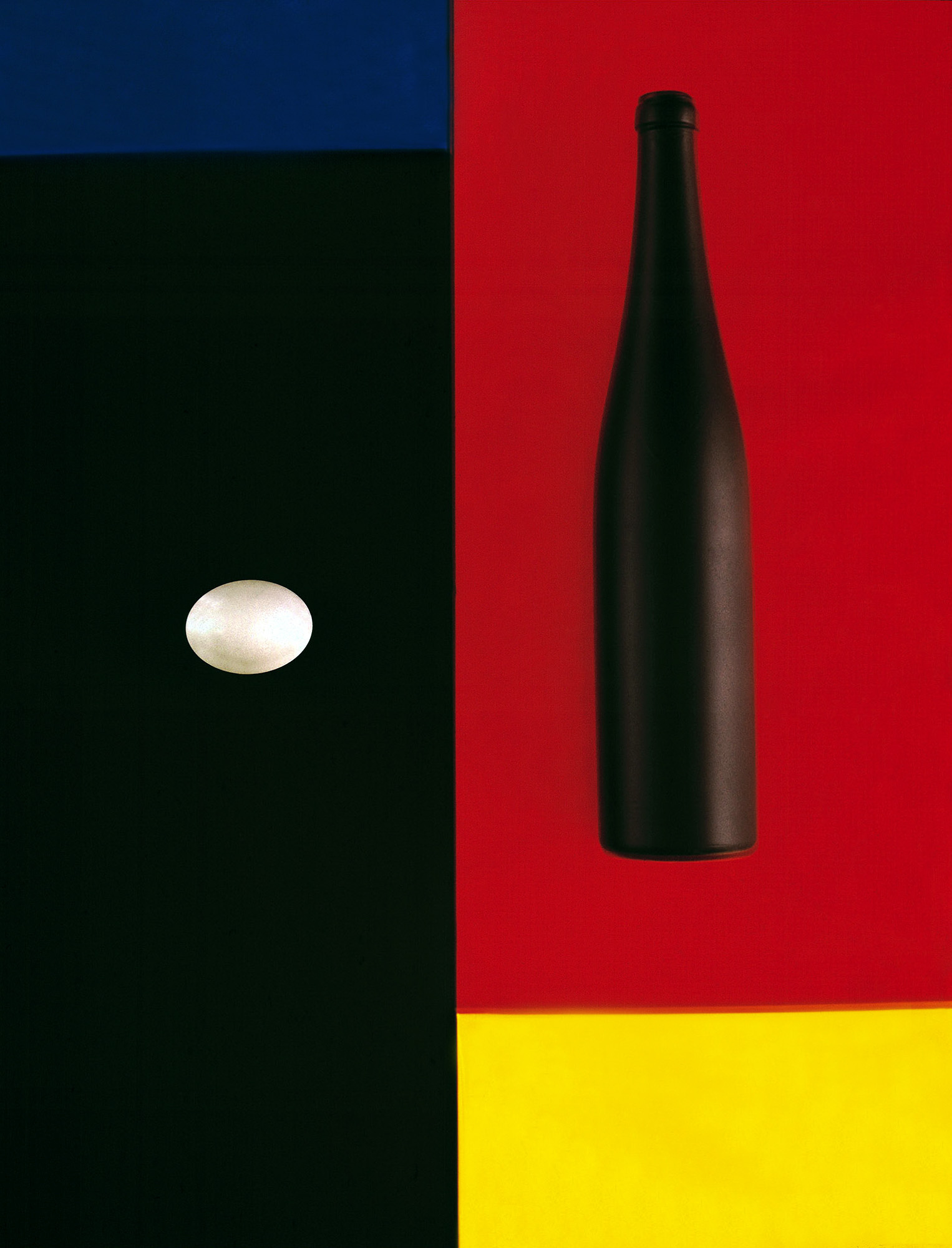
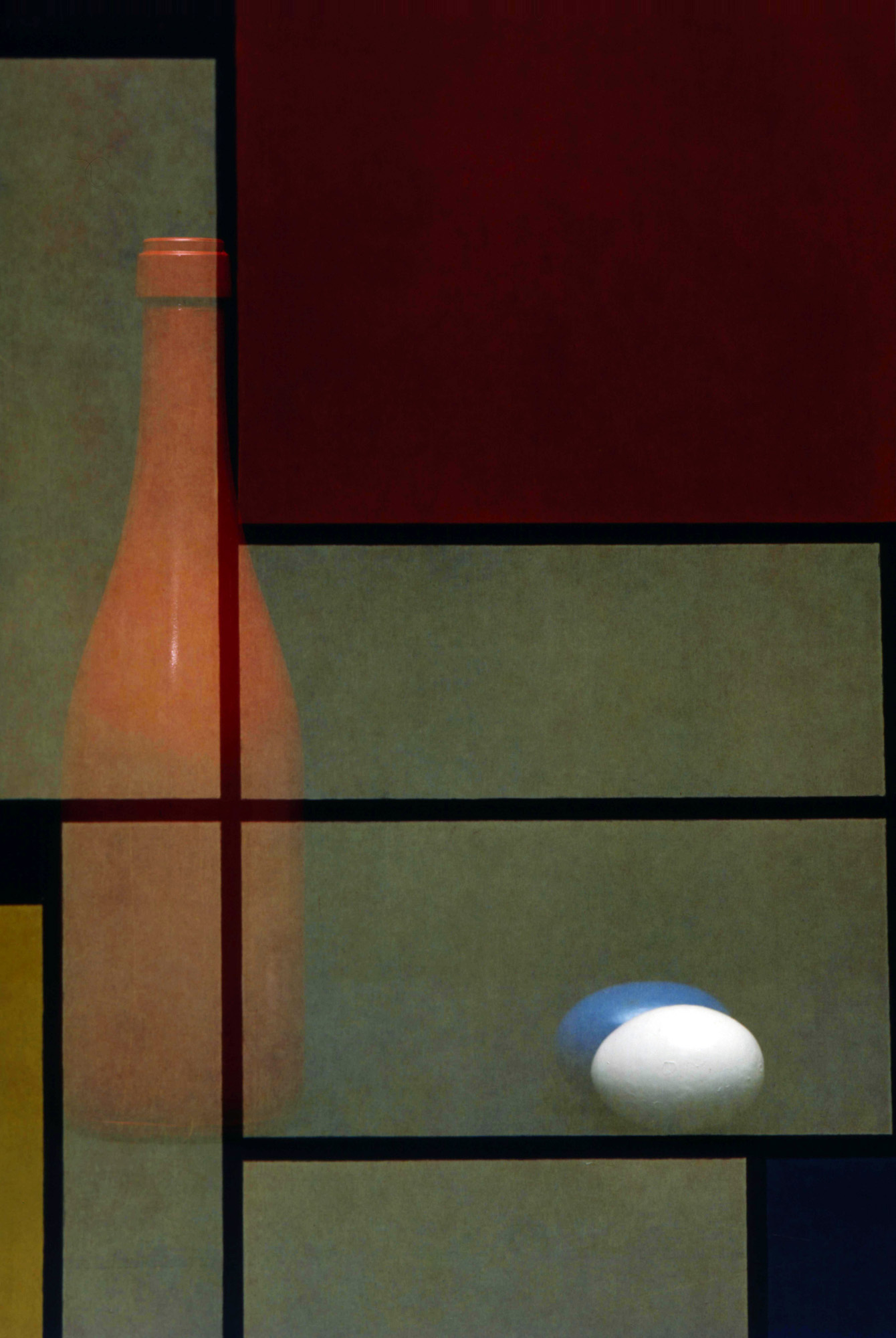
Obviously. The bookcase in his study which is located in the family home still preserves the many art books and catalogs that my father collected and, literally, “consumed” over the years (Monet and the current of Impressionism, Morandi, Picasso, Mondrian and other twentieth century artists including Andy Warhol). For him everything could be a source of inspiration, a poetic or biblical verse, the pictorial atmospheres of abstract artists or photographs of the great masters. In the case of his still lifes we actually find some shots dedicated to the artists of the early and late twentieth century who inspired him. In The peppers (The grin) of 1974, the reference to the studies on the same subject by the American photographer Edward Weston seems clear to me. Both share the idea of going beyond the object itself, observing it through the eyes and not with them. I will then offer you two other examples, To Ghiroldi of 1972 and Homage to Mondrian from 1990. In the two shots the references to the Dutch painter’s painting are evident but also the recovery of that sign and geometric rigor to which both aspire. I only discovered later that the two also shared a modus operandi, with long reflections and many remakes (our archive shows that to achieve the perfect shot my father made dozens of screen tests). Lastly, we must not forget a clear affinity with the works of Giorgio Morandi, I refer in particular to the obsession and affection towards the same subjects (jars, glasses, jugs, bottles…), but also to the atmospheres of suspension and that ability to superimpose objects and environments of the same colour.
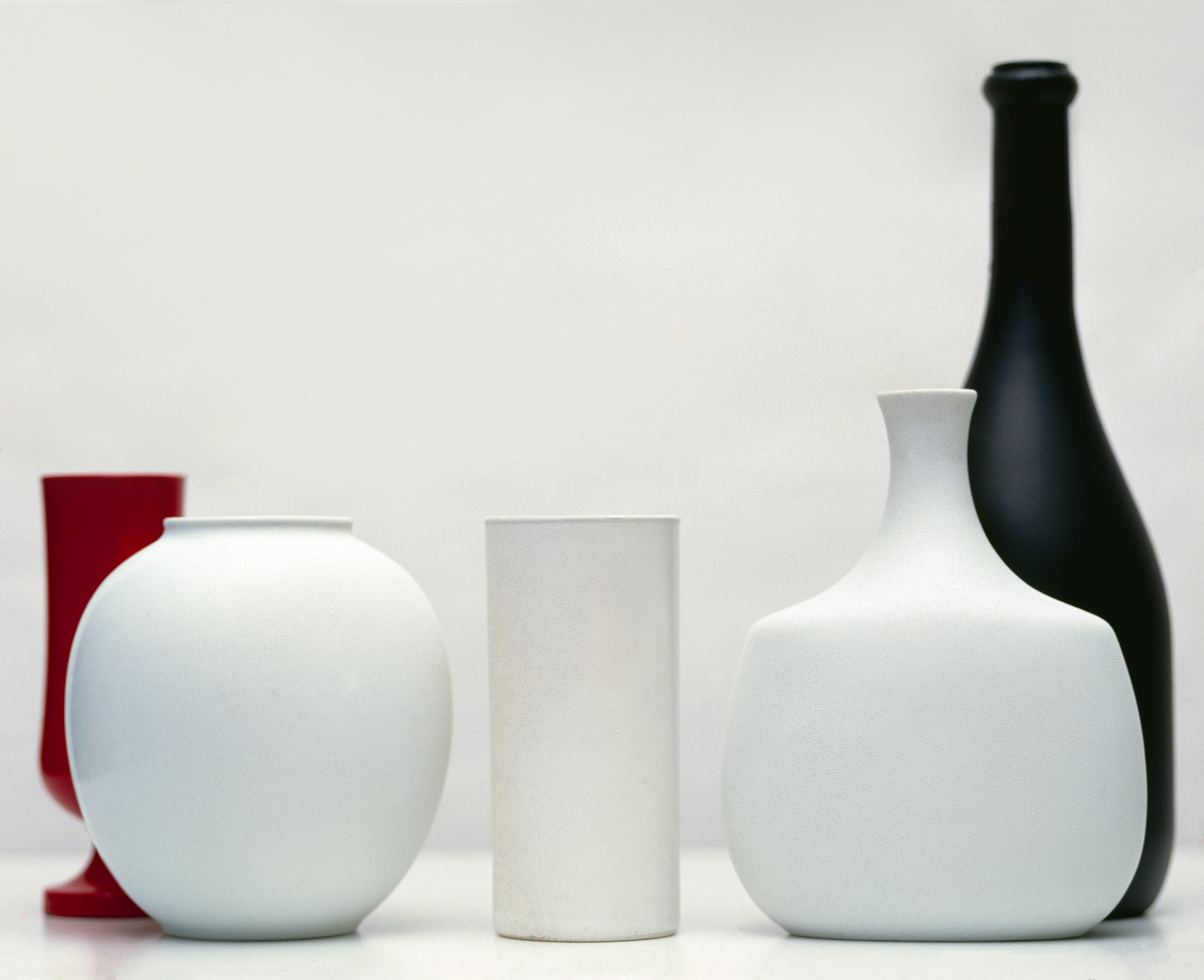
Carefully observing his father’s photographic production and looking for aesthetic references to write an introduction that would summarize his poetics a little, I found it curious how, unexpectedly, the paintings of Vilhelm Hammershøi first came to mind and then the drawings and installations of Giulio Paolini. The motivations are not so intuitive, in fact these two artists are quite distant from each other, in time and in the forms in which they express themselves. The Danish painter Vilhelm Hammershøi (1864 – 1916), is famous for portraying the silence of white doors and the domestic environments that they connect, immersing the viewer in a dusty and ethereal space, although clearly recognisable; on the other hand, the contemporary Giulio Paolini (Genoa, 5 November 1940) is a conceptual artist who, with his installations and drawings, does not aim to create “new” images, but to place himself as a spectator and witness to the appearance of the work, which exists independently of the artist.
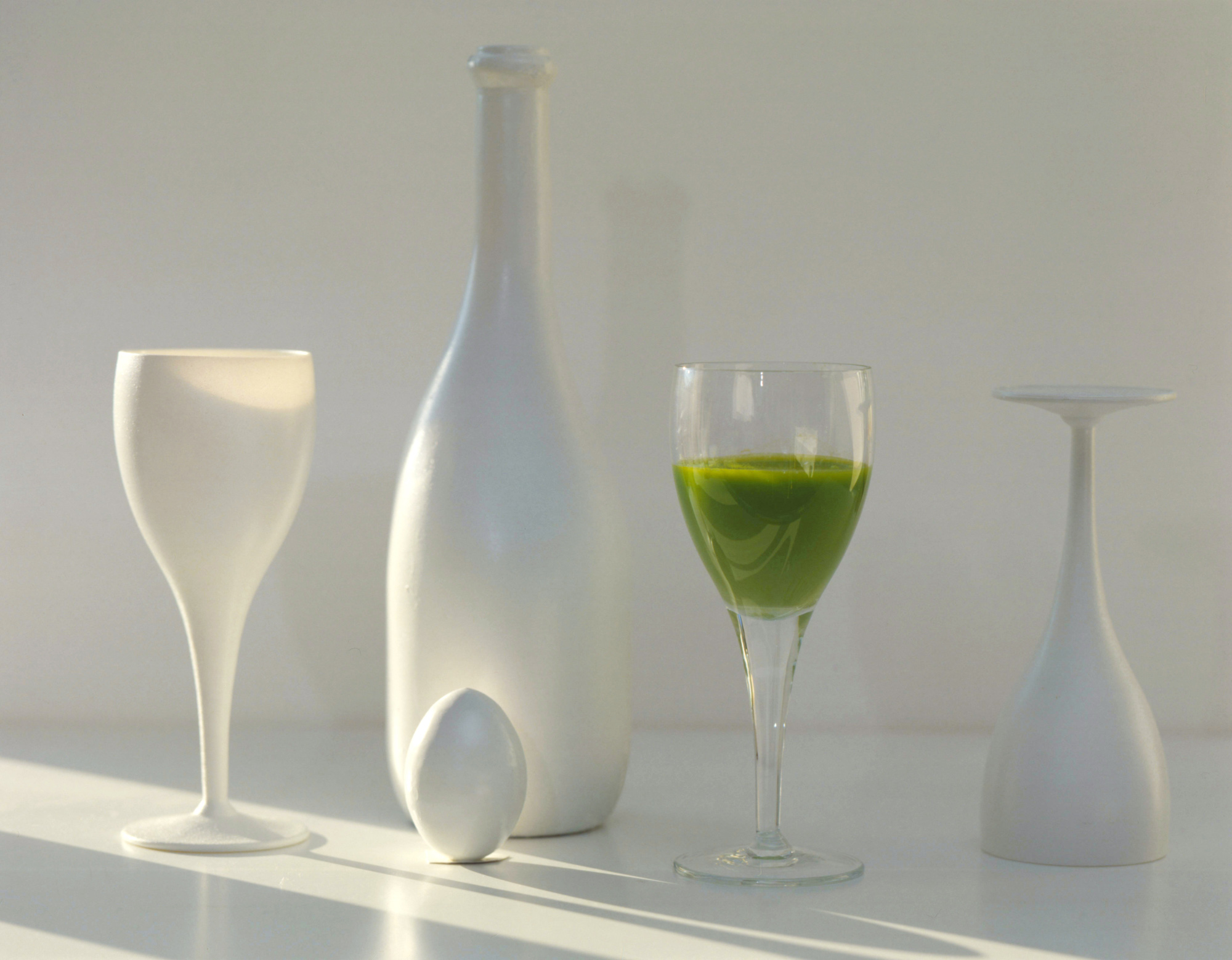
Both, however, do this: they present the spectator with openings, one with doors, the other with empty frames. And it is precisely this point that made me reconnect with your Father’s work. Franco Bettini, with his photographs from the series presented in the recent exhibition “The shapes of white”, offers us silent still-lives which are to all intents and purposes Passages verse Landscapes of the soul. The harmony between the pottery, the proportions of the shot and the colored accents (given by eggs, liquids and painted glasses which, if desired, can recall the blue mirrored spheres placed on classic plaster casts in the Gazing Ball series by Jeff Koons) create elegant, graceful but not precarious balances, as if the delicacy of an image, of a life never shouted out represented the gentle pillars of Existence as well as of Art itself.
Would you like to tell us about your father Franco Bettini’s approach to artistic photography and if you have any curious or relevant anecdotes to tell us?
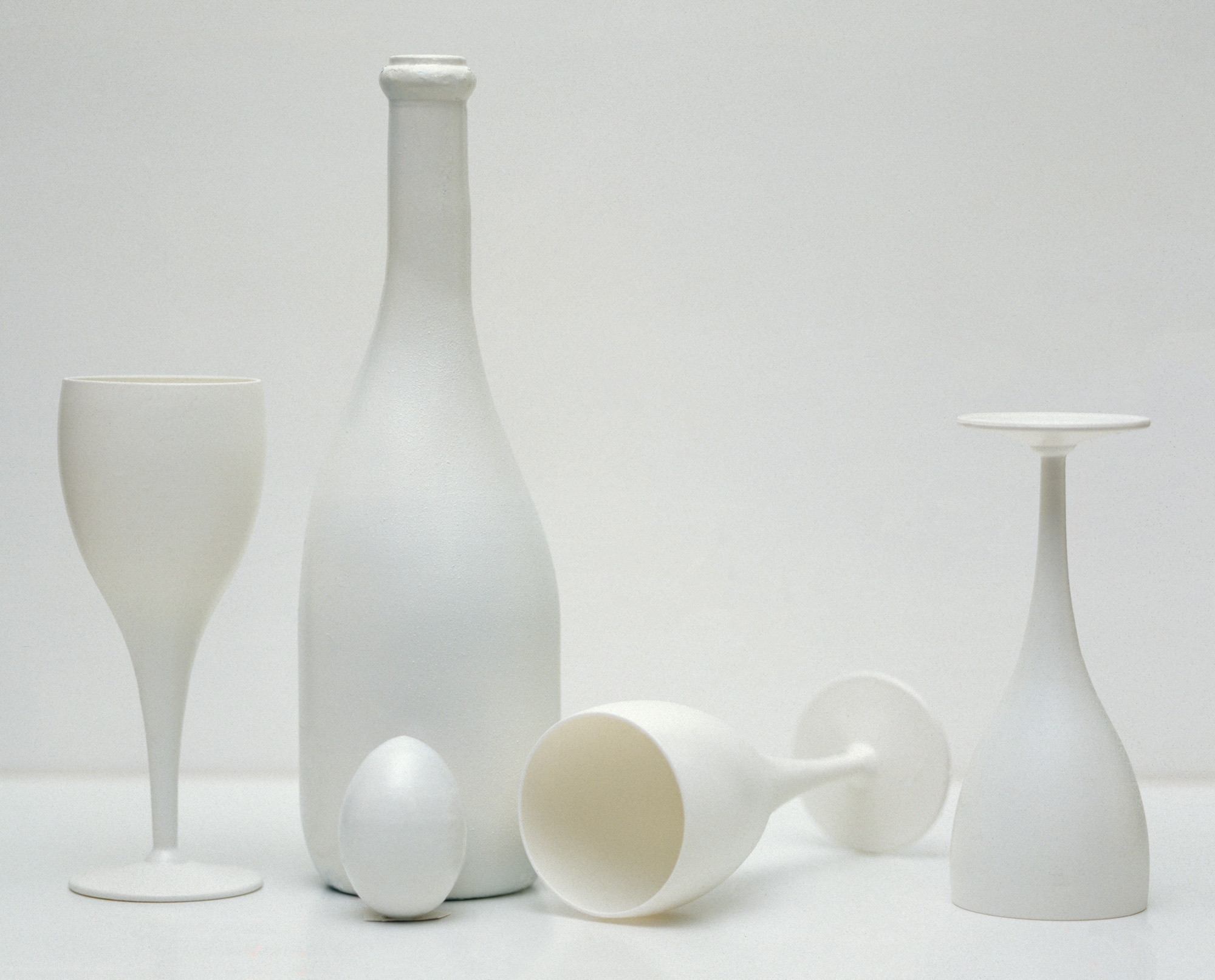
I’ll start by responding to your observations on still-lives. I am pleased and intimately proud that after so many years my father’s photographs still arouse wonder and that new reflections and comparisons arise. I think that the “White on White” series, created between 1989 and 1990, can explain his approach to photographic art well.
Recently, while examining the Bettini archive, Dr. Sara Cuccia – who not surprisingly obtained her master’s degree with honors in History and Criticism of Art at the University of Milan in 2024, discussing her thesis on the topic of my father’s Compositions and Still Lifes – tracked down many slides and prints that testify to her long research into the effect and meaning of “white on white”. After a period lasting over a year of exercises and experiments, which took place between the summer of 1989 and 1990, my father had finally managed to obtain the “white on white” despite many difficulties. Making white objects positioned on as many white objects, in turn on white backgrounds and planes in an apparently flat image, “readable”, yet highlighting the shapes, lines and depth of field, was anything but a simple process, where the objects in various colors of the first images gradually disappeared until leaving room for the “absolute white” of the last work.
Behind what apparently might appear to be pure experiments in photographic technique was in reality hidden a much deeper and more intense meaning, which brought out movements of the soul and a spiritual interpretation of existence that my father himself had summarized for me shortly before leaving: “All this is meant to represent a journey of the soul where each of us is born “white” (read “pure”) and in the journey of life, more or less, we are stained with “colours” (read “sins”) deriving from weaknesses and from the typical and natural temptations of the human being as such. In the face of universal judgement, every soul would like to present itself as “white”, in purity and motionless detachment. At least in photography I succeeded.” A photograph in search of transcendence, in an intense and silent concentration.
The title, White on White, is a quote from the famous painting by Malevich, the founding artist of Russian Suprematism. However, there is a big difference between the Russian artist and my father: Malevič hypothesized a non-objective art, where only geometric data prevailed; my father, on the contrary, remained anchored to things. The object, reality, were always the starting point for him to evoke stories and feelings. There is the belief that the things that are most familiar to us and those that belong to our daily life tell much more than what is outside the walls of the house. Bottles, vases, glasses are simply opportunities to express oneself in form. However, what is expressed are the most sincere and genuine facts of the human soul, which return to light through the forms of the things that belong to it, however silent they may seem.
As for anecdotes, I have many: I spent a lot of time with my father and I liked watching him at work and, above all, listening to him. But there is a particularly funny one, which gives a good idea of how deep and “intimate” his passion and perseverance in the photographic field (and not only) was, which I like to talk about. As you know, my father is best known for his landscape photographs, in particular those taken in the Sebino peat bogs.
It was a Sunday in October 1987 when, immediately after lunch, he said to my mother: “Mirella, I’m going to go to the peat bog because today there is beautiful light, I’ll see you later; prepare me a risotto for dinner”. And he greeted us. He really loved the atmosphere and colors of autumn, the leaves fallen from the trees, the soft light typical of that season, and he was equally convinced that, from a photographic point of view, autumn was precisely the most suggestive and fascinating moment of the year.
He went to the peat bog with his usual boots and camera bag with everything he needed. After a short walk he realized that the light that had initially attracted him was not the “right” one for his photographic shots. Suddenly, taken as if by an inexplicable “call”, he decided to leave in the direction of a forest near Bern, Switzerland, which he already knew and loved particularly, but which he had photographed in other seasons. He didn’t even stop by the house to warn us, even though he was just a few hundred meters away, as if there was an uncontrolled force inside him that was carrying him towards that forest over 300 km away.
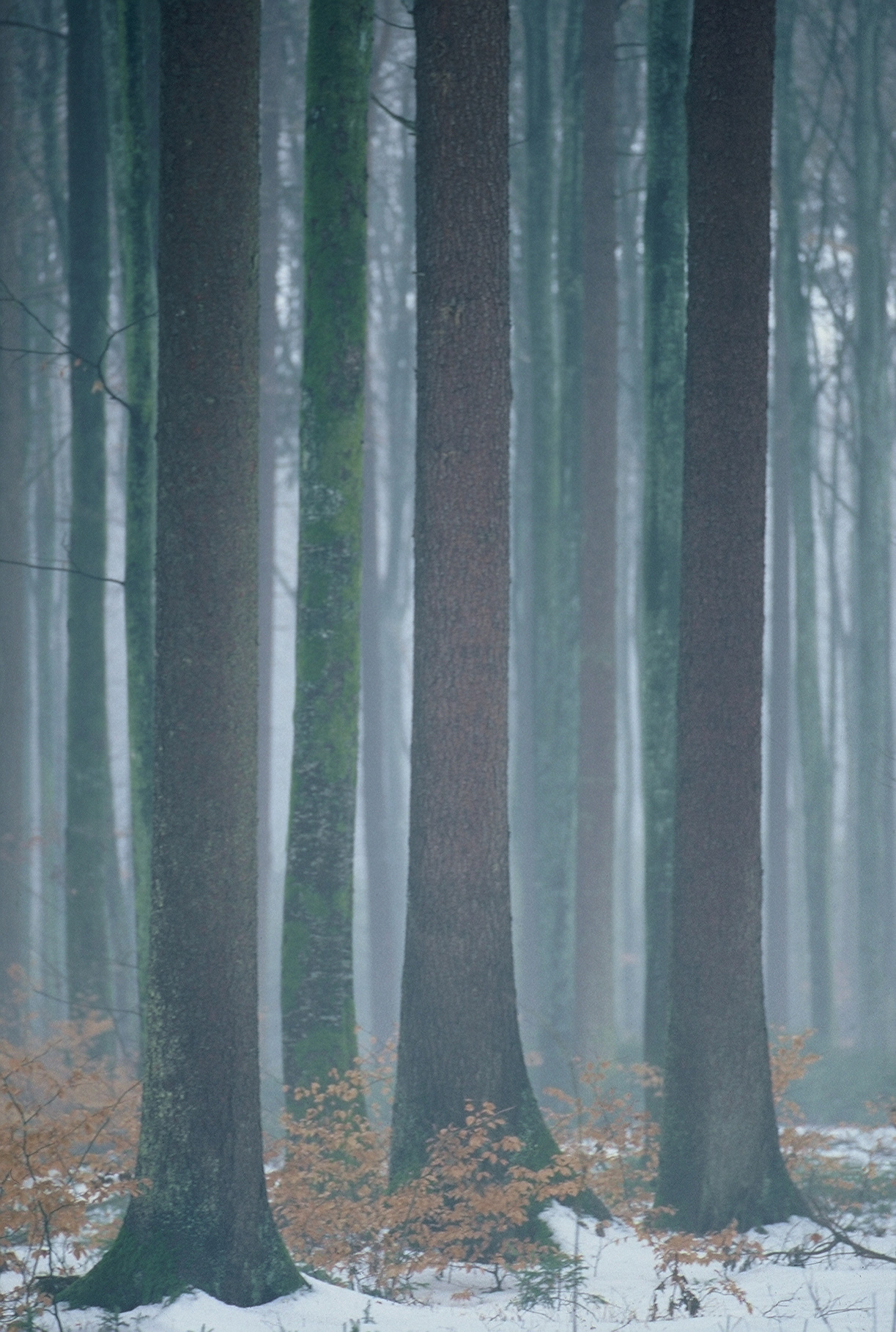
He arrived near Bern in the late afternoon and immediately entered the woods that had mysteriously called him back. And right there he found that light which, as sunset approaches, becomes even more discreet, among the silent population of trees, mosses and scrubs that decorate the undergrowth. He photographed as long as the light allowed him, but when it got dark he realized that it was now late to go home and he was tired but also satisfied, so he decided to stay in a hotel in the city.
Meanwhile at home we were all very worried because it had gotten late and every trace of him had been lost; in our opinion he couldn’t still be in the peat bog taking photographs in the dark. We even thought that he might have drowned or otherwise felt ill. And then at the time there were no cell phones yet. So I decided to go and look for him, but there was no trace of him or his car. I returned home and my mother was increasingly anxious until, at a certain point, the phone rang: it was a Swiss family friend, Antonio, who told us not to worry because Franco was in Bern and was well, except that he hadn’t had the courage to call home in person because he was afraid of our reaction, imagining how worried we were.
Immediately after Antonio’s phone call there were first sighs of relief and then liberating laughter on our part, imagining how dad must be feeling because he hadn’t felt like calling to warn us, realizing his “prank”. But it was done now! In the meantime, the risotto cooked by mother had become overcooked. This is how my father was: when he had the camera in his hand he became a bit like a child with his favorite “toy”.
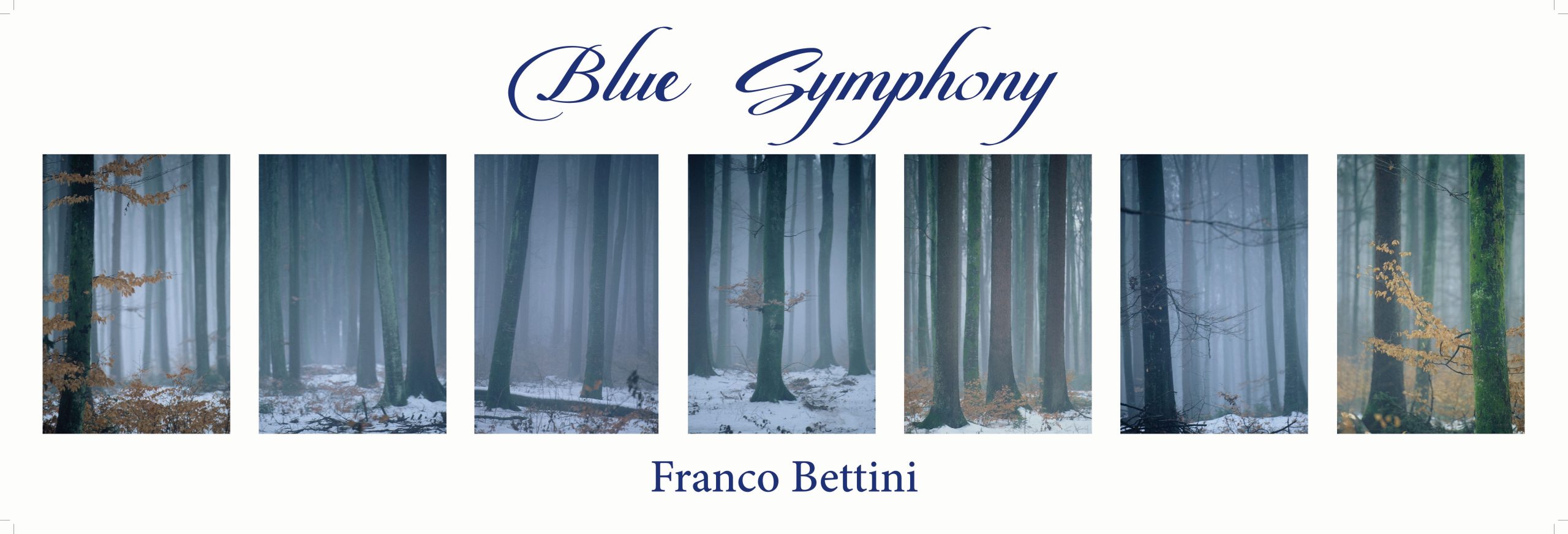
The next day he went home calmly, satisfied as never before and, as if nothing had happened, to lighten things up, he apologized to my mother for the risotto. But that time he brought with him a series of photographs of which he would select only seven, and which he would then title “Blue Symphony”: probably among the best works he ever created in his entire life.
Are there any projects or exhibitions for Franco Bettini’s works planned in the near future?
Yes. “Le forme del bianco,” the exhibition that just concluded at Le Cantorìe in Gussago (March 14 – May 31), achieved great critical and public success and had already been exhibited, for the first time, as part of Bergamo Brescia Italian Capital of Culture 2023 at the “Galleria Franco Bettini” (dedicated to my father) at the Monastery of San Pietro in Lamosa in Provaglio d’Iseo.
This exhibition will now be a traveling exhibition, with stops starting next September in Campania, Aversa, and subsequently in Puglia, Tuscany, Sardinia, and Trentino-Alto Adige. Most importantly, 2027 will mark the centenary of Franco Bettini’s birth, and many initiatives are planned, including a major retrospective exhibition with a catalog that will travel from Brescia to Rome, which we as a Foundation are already working on.